Marketing automation is entering a new phase in 2026: less “set it and forget it,” more intelligent, consent-aware systems that help teams move faster without sounding robotic. For small businesses, SaaS founders, and content marketers, the opportunity is not just to automate more tasks. It is to build smarter customer journeys that respect privacy, personalize at scale, and connect marketing activity directly to revenue.
AI agents will move from assistants to workflow operators
In 2026, AI will do more than draft emails or summarize analytics. Marketing teams will increasingly use AI agents to run multi-step workflows: segmenting audiences, generating campaign variants, checking performance, suggesting next actions, and routing leads to sales. The best use cases will be narrow and measurable, such as reactivating dormant trial users or creating follow-up sequences after a webinar.
The key is control. Teams should treat AI as an operator with guardrails, not an unsupervised strategist. Approved brand voice, compliance rules, CRM data, and conversion goals will matter more than raw content generation.
Privacy-first personalization will become the default
Third-party data is getting weaker, while customer expectations around consent are getting stronger. That means personalization in 2026 will depend more on first-party and zero-party data: what users do on your site, what they choose to share, what they buy, and where they are in the customer journey.
Instead of over-personalized messages that feel invasive, smart brands will focus on helpful relevance. A SaaS company might tailor onboarding based on selected role or use case. A service business might personalize reminders based on past bookings. The winning question will be: “Does this make the customer’s next step easier?”
Lifecycle automation will matter more than lead capture
Many businesses still over-invest in top-of-funnel automation while neglecting onboarding, retention, and expansion. In 2026, stronger teams will automate across the full lifecycle: welcome flows, product education, abandoned signup recovery, renewal reminders, upsell prompts, review requests, and win-back campaigns.
This shift matters because acquisition costs keep rising. If your automation only collects leads but does not improve activation or retention, it leaves revenue on the table. The most valuable workflows will be tied to measurable outcomes like trial-to-paid conversion, repeat purchases, expansion revenue, and churn reduction.
Human-sounding content will beat generic AI volume
AI will make it easier to publish more, but that also means audiences will ignore more. Automation tools that combine customer data, subject-matter expertise, and editorial review will outperform systems that simply generate endless generic posts.
Expect more teams to build content automation around reusable assets: webinars, customer calls, founder notes, product updates, case studies, and support questions. The goal is not more content for its own sake. It is faster distribution of ideas that already reflect real expertise.
Measurement will shift from campaigns to revenue journeys
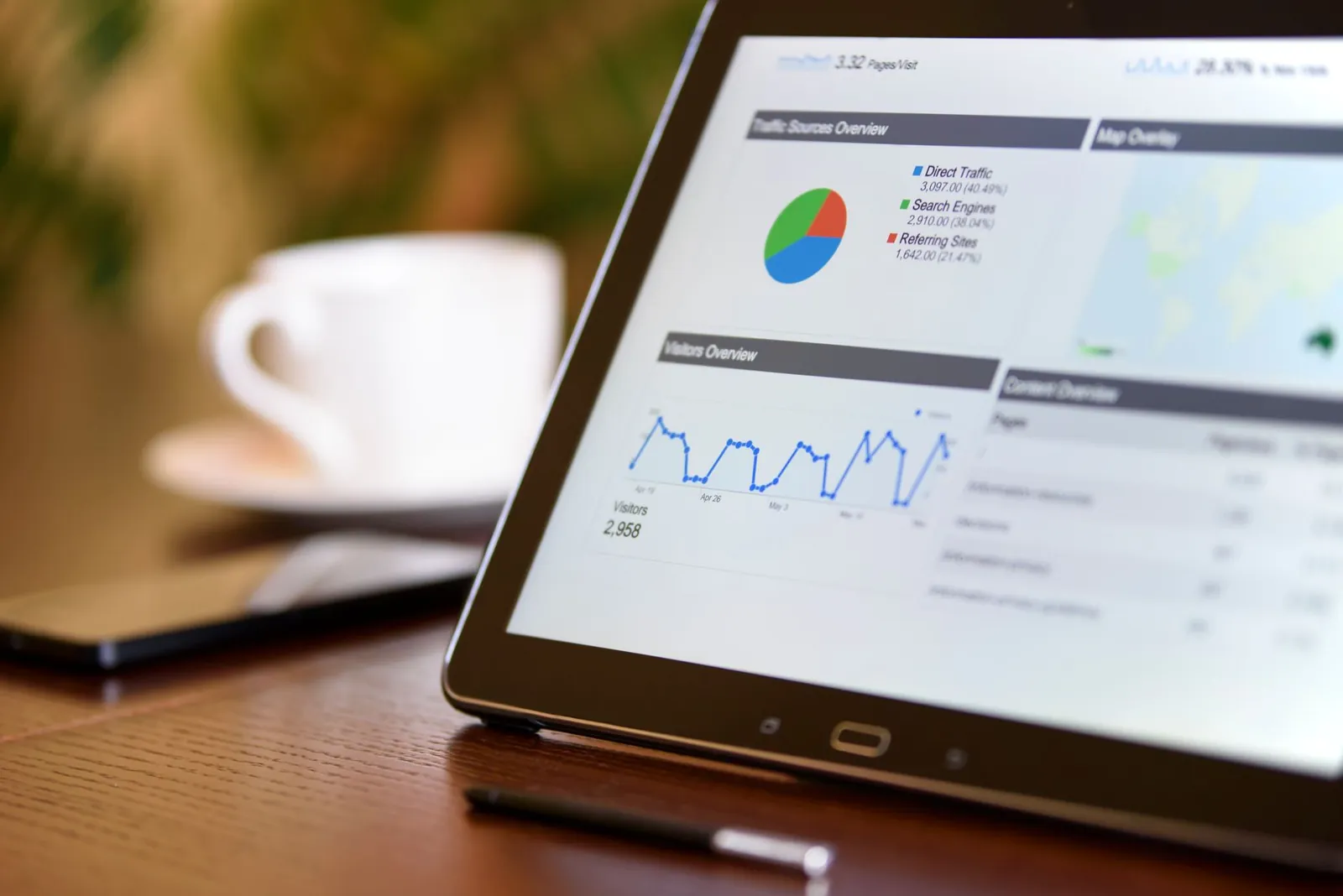
In 2026, marketers will expect automation platforms to show which journeys actually create pipeline, purchases, renewals, and upgrades. Open rates and clicks will still help diagnose performance, but they will not be enough. Teams will need clearer attribution across email, ads, organic content, product usage, and CRM stages.
Start by auditing one customer journey this week. Choose a high-value path such as new lead to demo, trial to paid, or first purchase to repeat purchase. Map the current steps, identify one automation gap, launch one improvement, and review conversion impact by next Monday.